
With hurricane season officially underway, heavy rains and high winds are a frequent reality for homeowners along the Treasure Coast. Whether you live in Palm City, Fort Pierce, or Vero Beach, the threat of sudden roof leaks and ceiling water intrusion looms as each passing storm system batters homes across Indian River, Martin, and St. Lucie counties. Immediate action matters when water starts entering your living space, not only to minimize property damage but to keep your household safe until professional help arrives. This guide outlines the steps you should take if you discover an active roof leak during hurricane season, with insights tailored to conditions along the Treasure Coast.
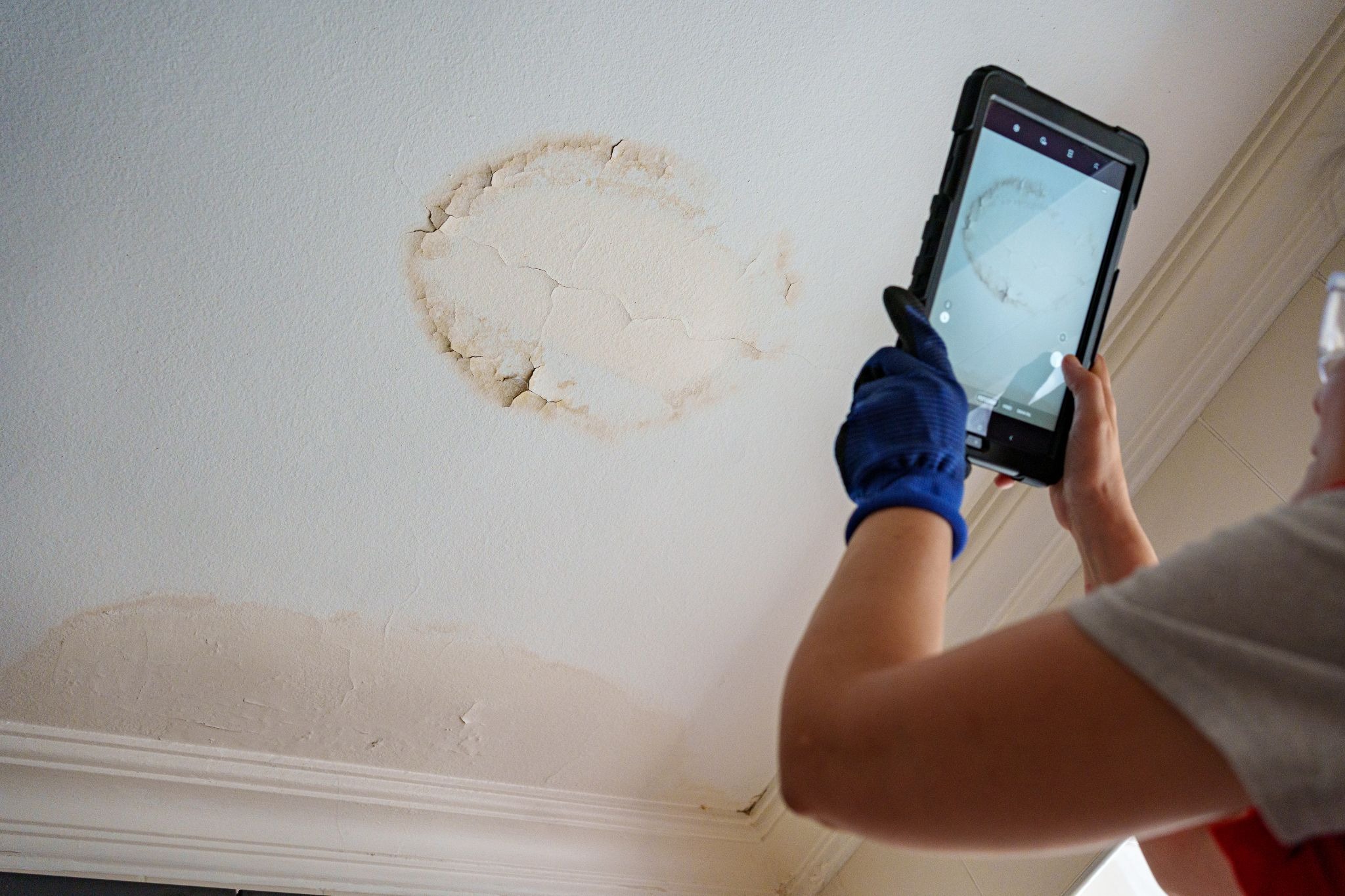
Recognizing the Signs of an Emergency Roof Leak
During or immediately after a hurricane or tropical storm, roof leaks can appear suddenly. Recognizing a leak early is key. Watch for these warning signs:
- Discoloration or sagging patches on ceilings or walls
- Steady dripping or pooling water indoors
- Damp insulation or musty odors in attic spaces
If you notice any of these signs during a storm in your Treasure Coast home, act quickly to avoid more extensive damage.
Immediate Steps to Control Water Intrusion
Once you have confirmed a leak, your first priority should be protecting the interior and structural elements of your home. Take the following emergency measures while waiting for restoration professionals to arrive:
- Move any valuable or sensitive items such as electronics, artwork, or important documents from the path of water.
- Place buckets or trash cans beneath drips to catch water and reduce further damage to floors.
- Lay down towels or plastic sheeting to prevent damage to carpeting or hardwoods.
- If the ceiling shows signs of bulging, carefully puncture the lowest point with a screwdriver to allow water to drain in a controlled manner, reducing the risk of a sudden collapse.
If it is safe to do so, locate the source of the leak in the attic, and temporarily patch it with roofing tape, plastic sheeting, or a tarp until conditions stabilize.
When to Evacuate or Seek Shelter
Safety should always be the first priority in an emergency. If large portions of your roof have been compromised or if the water intrusion is causing widespread electrical issues, evacuate the area and seek shelter. Do not attempt to access your roof during high winds, heavy rain, or lightning. Downed power lines and floodwaters are additional hazards that frequently accompany hurricanes in Indian River, Martin, and St. Lucie counties.
The Importance of Prompt Water Damage Mitigation
Once help arrives, professionals use specialized equipment for water removal, drying, and moisture detection. Delaying mitigation increases risks of mold growth, structural deterioration, and higher restoration costs, issues especially prevalent in the humid climate of the Treasure Coast. Local companies like Treasure Coast Disaster Services are equipped to handle water damage restoration, emergency roof tarping, and structural drying so you can recover quickly and safely after a storm.
Partner With Local Experts for Restoration and Repairs
Treasure Coast homeowners are no strangers to the cyclical nature of hurricanes and their aftermath. Immediate emergency steps can minimize loss, but full recovery requires experienced, local professionals who understand regional building codes and hurricane-related damage patterns. Choosing a restoration company with proven expertise in both roofing and interior reconstruction ensures your home is restored to pre-storm condition and that preventative measures are incorporated for the future.
Contact Treasure Coast Disaster Services Now
If your home in Port St. Lucie, Stuart, or Vero Beach is experiencing an emergency roof leak or water damage during hurricane season, prompt action by professionals is essential for your safety and peace of mind. Treasure Coast Disaster Services is available 24/7 for rapid response and comprehensive restoration solutions. Call (772) 263-7040 or fill out the secure online form to schedule immediate service or request more information.