
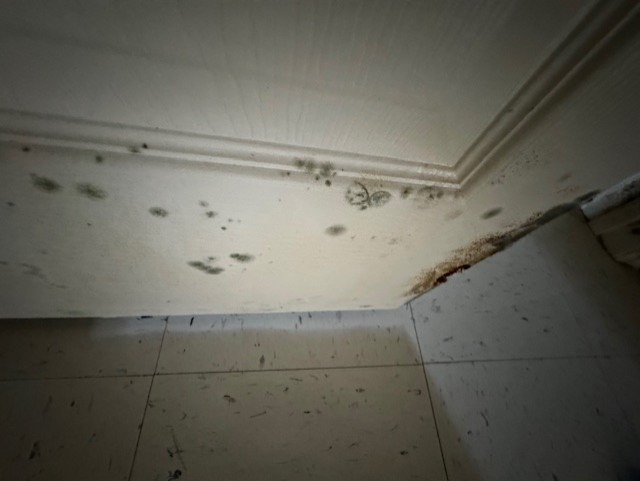
Mold can pose a serious concern in humid regions like Florida’s Treasure Coast, where regular rain and warm temperatures often create ideal conditions for mold growth. When you discover mold in your home, the remediation process may seem overwhelming, and naturally, you may wonder whether staying in your home during the cleanup is safe. Understanding the steps that professional remediation companies take to protect your health and minimize inconvenience can help you make an informed decision that keeps your family safe and comfortable.
How Mold Remediation Works
Professional mold remediation involves a combination of inspection, containment, removal, disinfection, and air purification. The main objective is to remove mold efficiently while containing spores and preventing them from spreading throughout the rest of the house. On the Treasure Coast, remediation specialists use techniques designed to handle the challenges posed by our humid environment, and local companies are accustomed to working quickly to minimize property damage and health risks.
Containment Procedures and Air Filtration
Containment is one of the most critical aspects of the remediation process. Remediation technicians set up barriers using plastic sheeting, creating negative air pressure zones that ensure airborne mold spores stay within the affected area. Advanced HEPA-filtered air scrubbers and negative air machines continuously clean the air, reducing the risk of spores traveling beyond the isolated portion of your house.
In many instances, remediation teams can confine mold abatement to one or two rooms with fully sealed containment. Doors and vents are taped off, and workers enter and exit through designated routes. For families in Martin, St. Lucie, and Indian River Counties, this approach often means daily routines can continue in unaffected areas, since the mold-contaminated rooms remain securely isolated.
Health Considerations for Homeowners
Even with effective containment and air filtration, certain health considerations must be weighed. Mold exposure can trigger allergy-like symptoms, respiratory problems, and reactions in those with asthma or weakened immune systems. If you or family members fall into these high-risk groups, it is typically recommended to relocate temporarily until remediation is complete.
Homeowners with pets or small children may also want to consider leaving, as containment zones can create noise, dust, and restricted access to parts of the home. For those without significant health vulnerabilities, and when only a limited portion of the home is impacted, remaining in residence can be a safe option with minimal disruption.
Professional Remediation and Minimizing Disruption
Choosing a certified company like Treasure Coast Disaster Services ensures the job is done right, using best practices that prioritize family safety and comfort. Local professionals understand the unique construction materials and weather conditions of the Treasure Coast, allowing them to tailor containment, cleaning, and drying strategies to suit both the property and the homeowner’s needs.
For example, a recent project in Port St. Lucie involved remediating a mold problem caused by a slow roof leak. The technicians coordinated work schedules with the homeowners and created an isolated work zone in a spare bedroom, enabling the family to remain in other areas of the house without interruption. Successful outcomes like these demonstrate how targeted remediation can balance safety and convenience even amidst Florida’s challenging climate.
Ready for Safe, Hassle-Free Mold Remediation?
If you are facing a mold problem in Martin, St. Lucie or Indian River County, Treasure Coast Disaster Services can help guide you through every step, from inspection to water damage restoration and final clearance testing. Reach out today to discuss your situation, call (772) 263-7040 or fill out our online form for a prompt consultation. The local team understands the needs of Florida homeowners and will ensure your home is clean, safe, and comfortable throughout the remediation process.