Hurricanes and tropical storms are an unfortunate reality on the Treasure Coast, often bringing more than just heavy rain and wind; they can result in severe flooding that damages homes and disrupts lives within minutes. The aftermath requires an urgent and targeted response to minimize long-term problems, health risks, and financial impact. Knowing which steps to take immediately, and when to seek a flooded home cleanup service, makes all the difference for homeowners needing hurricane and flood cleanup near me.
Assessing the Damage and Ensuring Safety
Once the storm subsides, your safety should always come first. Re-enter your property only after local authorities declare it safe. Damaged electrical lines, gas leaks, and hidden structural hazards are common in storm-impacted homes.
- Wear rubber boots and waterproof gloves to minimize exposure to contaminants.
- Shut off the main electrical supply, even if the power is already out.
- Check for signs of foundation shifting or roof instability before fully entering.
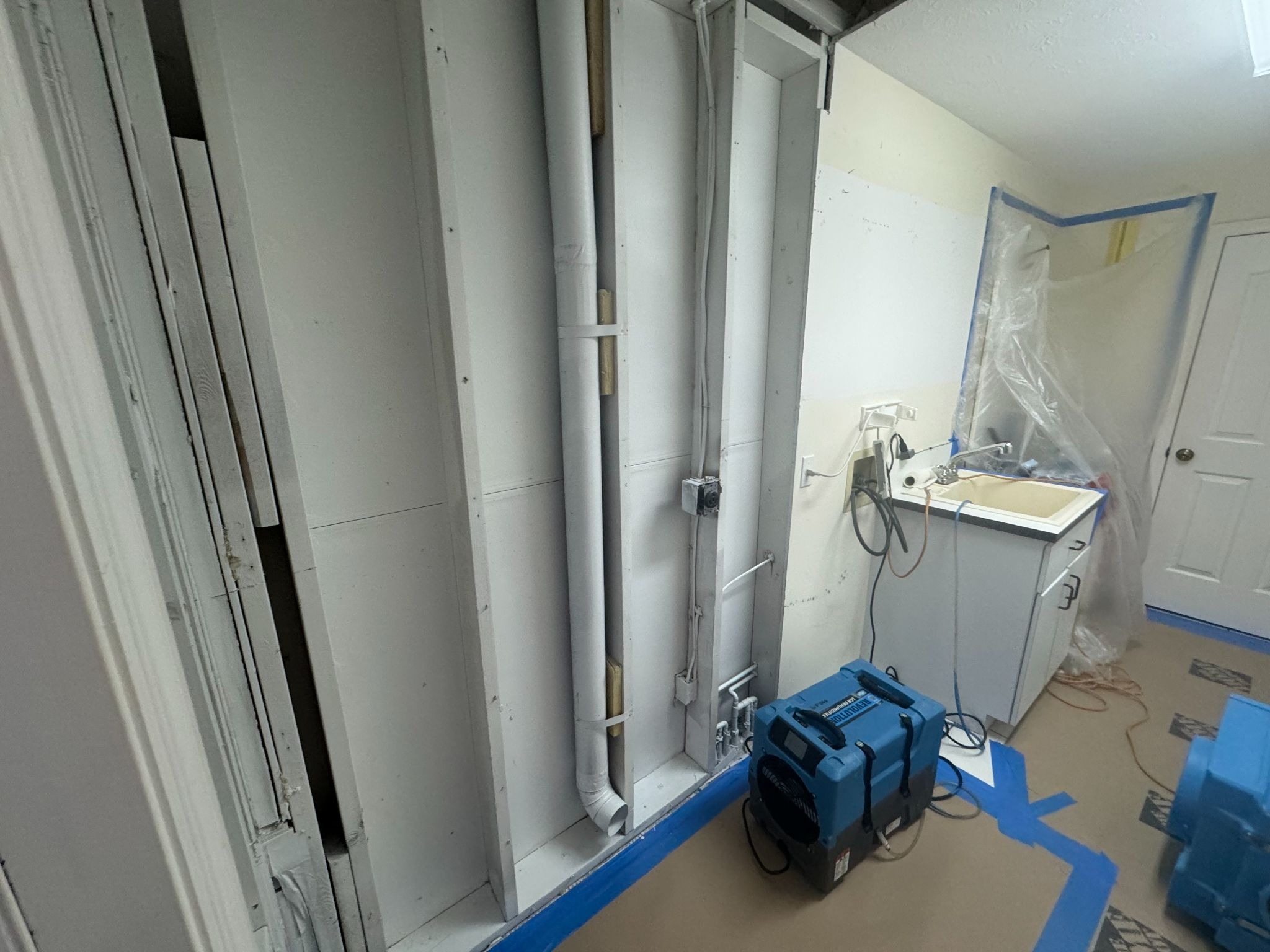
Images from actual calls to Treasure Coast Disaster Services reveal that early, cautious entry can reduce injury risk. For example, during September’s hurricane, several homes in the Jensen Beach area showed hidden electrical hazards after initial flooding had subsided.
Remove Standing Water Quickly
Time is critical in limiting structural damage and preventing mold growth. If floodwaters linger for more than 24-48 hours, the risks of costly secondary damage increase exponentially. Use pumps or wet/dry vacuums if water levels allow for it safely. For significant flooding, professional storm damage restoration teams should be called in immediately. Specialized equipment extracts water faster and more thoroughly than consumer-grade options, protecting your home’s structural integrity and accelerating the drying process.
Detailed Cleaning of Flooded Belongings
Water from hurricanes and floods is typically classified as Category 3, meaning it may contain dangerous pathogens, sewage, or chemicals. All affected personal items, fabrics, and porous materials should be assessed. Unfortunately, many items may need to be disposed of to prevent health hazards.
- Separate salvageable items from debris outdoors.
- Remove drywall, carpeting, and insulation exposed to floodwaters, as mold can set in within 48 hours.
Teams at Treasure Coast Disaster Services have helped Stuart homeowners save flooring and walls thanks to prompt removal and industrial-grade drying, demonstrating the importance of a professional response.
Dry and Dehumidify the Home
After water extraction, comprehensive structural drying is non-negotiable. This involves not only air movers but also commercial dehumidifiers, which are far more powerful than typical home units. Local climate factors in Martin, St. Lucie, and Indian River Counties, especially the high summer humidity, worsen the risk of mold, making speed critical.
Prevent Mold and Secondary Damage
Mold can begin developing within 24 to 72 hours after water exposure. Using advanced antimicrobial agents and testing air quality ensures your home is not left with hidden consequences. Local residents often see mold appear in attics, wall cavities, and beneath flooring—places only trained disaster recovery professionals will catch during storm recovery.
Immediate Help: Contact Treasure Coast Disaster Services
When facing hurricane and storm damage, professional help from a local, trusted provider is vital for quick and complete recovery. If your home or business was affected by recent storms in Martin, St. Lucie, or Indian River Counties, reach out to Treasure Coast Disaster Services. Call 772-263-7040 or fill out our online form to request a rapid-response assessment and begin recovery with a certified team that specializes in your community’s unique needs.